

Principal Investigator
Prof. Ing. Stanislav Kmoch, CSc. (skmoch@lf1.cuni.cz; 224967691)

Stanislav Kmoch is a Professor of Medical Biology and Genetics at the First Faculty of Medicine, Charles University in Prague, where he leads the Research Unit for Rare Diseases, affiliated with the Department of Pediatrics and Inherited Metabolic Disorders. He is a co-founder and leads the National Center for Medical Genomics, a national research infrastructure supporting genomic research in the Czech Republic. He also holds appointments as an Adjunct Professor in the Department of Internal Medicine, Section of Nephrology, at Wake Forest School of Medicine, North Carolina, USA, and as a Visiting Scientist at the Broad Institute of MIT and Harvard, Boston, USA.
His research focuses on elucidating the genetic and molecular basis of rare inherited diseases and on characterizing the contribution of rare genetic variants to complex disorders. He has authored or co-authored more than 180 peer-reviewed publications in leading international journals, including Cell, The New England Journal of Medicine, Nature Genetics, Nature Communications, Journal of Clinical Investigation, The American Journal of Human Genetics, Cell Metabolism, Nature Neuroscience, PNAS, Kidney International, and The Journal of the American Society of Nephrology. His work has received several national awards (cumulative impact factor > 1000; > 6,500 citations; H-index 44).
Link to pubmed papers: https://www.ncbi.nlm.nih.gov/pubmed/?term=Kmoch+S
Senior researchers
prof. MUDr. Pavel Martásek, DrSc. (pavel.martasek@lf1.cuni.cz)
 Prof. Pavel Martásek is a distinguished physician, scientist, and educator at the First Faculty of Medicine, Charles University, and serves as the Scientific Director of BIOCEV. He has made substantial contributions to the diagnosis and treatment of inherited metabolic disorders, diseases associated with nitrosative stress, and porphyria. He acts as an expert advisor to CUIP, Charles University’s technology transfer company, and holds multiple international patents in biomedicine and biotechnology. His profound expertise has led to close collaborations and key involvement in research projects at prominent institutions, including the Jacques Monod Institute and Université Paris, as well as universities in New York, Texas, and Sendai, Japan.
Prof. Martásek is a highly respected authority with strong moral integrity. He is a member of the Learned Society of the Czech Republic and the Czech Medical Academy, a recipient of the Gold Medal of Charles University, and an awardee of the Donatio Universitatis Carolinae, which he received in the inaugural year of this prestigious distinction (2017).
Prof. Martásek has authored or co-authored more than 280 publications in high-impact scientific journals. The published results have more than 13,000 citations and his H-index is 56.
Link to pubmed papers: https://pubmed.ncbi.nlm.nih.gov/?term=Mart%C3%A1sek+P&cauthor_id=9516675
prof. MUDr. Jiří Zeman, DrSc. ( Jiri.Zeman@lf1.cuni.cz )
Prof. Jiri Zeman, MD, PhD, professor of paediatrics at the Department of Paediatrics, First Faculty of Medicine, Charles University, Prague, is involved in the research projects focused on hereditary metabolic diseases on the clinical, biochemical and molecular levels. These projects significantly contributed to characterization of several novel genes and proteins and their role in disease mechanisms leading to pathological conditions. His work has helped improve diagnostic and clinical approaches for children with complex metabolic conditions.
Together with his PostDocs and PhD students he contributed to 500 research papers published in impact journals including Nature Genetics, Lancet, American Journal of Human Genetics and Brain. The published results have 6,890 citations and his H-index is 42. His work was awarded by several national awards, including the Minister of Education Award. He is also actively engaged actively involved in academic programs for students and paediatricians. The Department of Paediatrics was under his supervision accredited by EAP-U.E.M.S. as the European Training Centre in Metabolic Diseases.
Link to published papers: https://pubmed.ncbi.nlm.nih.gov/?term=Zeman+J&cauthor_id=26982751
prof. MUDr. Petra Lišková, M.D., Ph.D., (Petra.Liskova@lf1.cuni.cz)
 Petra Lišková is a Professor of Ophthalmology, Charles University, Prague. She acts as a group leader which is focused on ophthalmic genetics. In addition, she has founded the only specialized clinic for patients with inherited ocular disorders within the Czech Republic. She is also appointed as Honorary Senior Research Fellow at the UCL Institute of Ophthalmology, UK.
Her main research interest lies in the genetics of complex and monogenic eye diseases. Her key findings include identification of the disease-causing gene for posterior polymorphous corneal dystrophy type 1 (OVOL2) and type 4 (GRHL2). She has contributed to more than 130 research papers that have been published in prestigious high impact journals such as Nature, Nature Genetics, American Journal of Human Genetics, Lancet Neurology, (Google Scholar > 3730 citations, H-index 34).
Link to published papers: https://orcid.org/0000-0001-7834-8486
prof. MUDr. Zdeněk Kleibl, Ph.D. (zdenek.kleibl@lf1.cuni.cz)
 Prof. Zdenek Kleibl leads the Laboratory of Oncogenetics at the Institute of Medical Biochemistry and Laboratory Medicine, First Faculty of Medicine, Charles University and General University Hospital in Prague. Research in the laboratory focuses on the identification of novel cancer predisposition genes, functional and RNA-based analyses of germline variants of uncertain significance, the development of novel diagnostic strategies for germline genetic testing, analyses of polygenic cancer predisposition, and development of novel bioinformatic tools for germline genetic diagnostics. (Publications from the laboratory could be found in PubMed).
The diagnostic arm of the laboratory, led by Petra Kleiblova, provides germline genetic testing for hereditary cancers in adult oncology patients.
Zdenek chairs the national hereditary cancer consortium CZECANCA, co-leads Oncogenetics task force of the Czech Society of Medical Genetics and Genomics, and is co-chair of the Functional Working Group of the ENIGMA consortium.
H-index: 26; Zdenek Kleibl - Web of Science Researcher Profile
prof. MUDr. Robert Jech, Ph.D. (robert.jech@lf1.cuni.cz)
 Prof. Robert Jech is a leading Czech neurologist with over 25 years of clinical and scientific experience in movement disorders and neurodegenerative diseases. He heads the Department of Neurology at the First Faculty of Medicine, Charles University, and the General University Hospital in Prague, one of the foremost centers in the Czech Republic for the diagnosis and treatment of Parkinson’s disease, dystonia, spasticity, and other disorders of motor control, including advanced therapies such as deep brain stimulation.
Prof. Jech combines extensive clinical expertise with internationally recognized research in neurophysiology and neuromodulation. He is actively involved in academic teaching, professional societies, and international collaboration. His research output includes more than 270 scientific publications (H-index >41), and he leads major projects focused on the pathophysiology of movement disorders, mechanisms of voluntary motor control, and the effects of functional neuromodulation using advanced imaging and neurophysiological methods. His work has been recognized by prestigious awards, including the Czech Science Foundation Presidential Award and the Ministry of Health Award.
Link to published papers: https://pubmed.ncbi.nlm.nih.gov/?term=Jech+R&sort=date
prof. Ing. Karel Holada, Ph.D. (karel.holada@lf1.cuni.cz)

Karel Holada serves as a professor of medical microbiology and head of the Institute of Medical Microbiology of 1st Faculty of Medicine, Charles University in Prague. He obtained his Ph.D. in biochemistry for studies of blood platelet receptors and has spent more than 5 years of his postdoctoral stay at the Center for Biologics Evaluation and Research, FDA in Bethesda studying blood related aspects of prion diseases. Upon returning to Prague, he founded the Prion Laboratory at the First Faculty of Medicine in 2002. His research interest involves prions and prion-like proteins, cellular and animal models of proteinopathies, pathogenesis of neurodegenerative diseases and detection and inactivation of infectious agents. In 2014, he defended his habilitation thesis at the First Faculty of Medicine titled "Prions, cellular prion protein, and blood cells." In 2022, he received the Minister of Health Award for the project “New possibilities for intravital diagnosis of prion diseases from peripheral tissues and cerebrospinal fluid.”
His scientific interests include prions and prion-like proteins, cellular and animal models of proteinopathies, the pathogenesis of neurodegenerative diseases, and the detection and inactivation of infectious agents. In addition to his research activities, he is actively involved in teaching medical microbiology and supervising both undergraduate and postgraduate students. He has contributed to more than 120 scientific publications focused on prion diseases (>1400 citations, H-index 19).
Link to pubmed papers: Holada K - Search Results - PubMed
Assoc. Prof.Ing. Milan Jakubek, Ph.D. (milan.jakubek@lf1.cuni.cz)
 Prof. Milan Jakubek is a graduate of the Institute of Chemical Technology in Prague, Faculty of FCHI, where he also successfully defended his Ph.D.
During his studies and subsequently he devoted himself to basic and applied research both within R&D institutions and in the field of industrial pharmacy and chemistry in the Czech Republic, Europe and the world. He has extended his experience with internships in the European Parliament and the Swiss Institute of Technology FHNW.
Currently he is a lecturer at the First Faculty of Medicine of Charles University in the Center of Excellence BIOCEV. Specialization in the fields of medical chemistry, analytical chemistry, drug development, formulation or teranostic. Its activities are focused on basic and applied research and innovation. The scientific experience is based on the management of basic and applied research and technology transfer into practice. This experience is supported by authorship and co-authorship of impacted publications, used national and international patents and cooperation with partners from the medical, chemical and pharmaceutical industries.
He has contributed to 65 research papers (1371 citations, H-index 19) that have been published, more than 15 patents (include: 1x US and 1x EU patent, 3x CZ patent, 7x utility models).
Link to pubmed papers: https://www.researchgate.net/profile/Milan_Jakubek/research
https://www.biocev.eu/cs/vyzkum/bunecna-biologie-a-virologie.4/laborator-medicinalni-chemie.45
Post-docs (junior researchers)
Mgr. Soňa Baranová, Ph.D. (sona.galuskova@lf1.cuni.cz)
 Soňa Baranová (now Galušková) is a Slovak researcher at the Prion Laboratory (First Faculty of Medicine, Charles University) specializing in neurodegenerative diseases.
In 2025, she was awarded third place in the Sanofi Prize in Pharmacy, organized by the French Embassy, for her achievements in pharmaceutical research.
Research Focus: Her work focuses on exploring new possibilities for the intravital diagnosis of neurodegenerative diseases.
Baranová S - Search Results - PubMed
Mgr. Barbora Bendová, PhD. (barbora.bendova@natur.cuni.cz)
Barbora finished her Ph.D. at the Department of Zoology, Faculty of Science, Charles University. During her PhD studies, she focused on the gut microbiome of wild murine rodents, which she studied using modern next-generation sequencing methods. This led her to her current position in the NCMG research team, where she is one of the coordinators of NGS sequencing with location in Center of Excellence BIOCEV (https://biocev.org/en/research/development-of-diagnostic-and-therapeutic-procedures.7/the-genetic-and-molecular-basis-of-human-diseases.16#research-program-group-about).
Simultaneously, she works in the OMICS – Genomics service laboratory at BIOCEV (https://biocev.org/en/services/omics-genomics.1), where her main task is to provide Sanger sequencing.
Link to published papers: https://orcid.org/0000-0003-1701-9878
Ing. Ľubica Ďuďáková, PhD. (lubica.dudakova@lf1.cuni.cz; 224967139)
 Lubica is a research fellow at First Faculty of Medicine, of Charles University in Prague. She has contributed to almost 70 research papers that have been published in prestigious high impact journals such as American Journal of Human Genetics, Nature Genetics, European Journal of Human Genetics and Investigative Ophthalmology and Visual Science (Google Scholar >1480 citations, H-index 19).
Her main interest is in the genetics of complex and monogenic eye diseases. Her key findings include identification of the disease-causing gene for posterior polymorphous corneal dystrophy type 1 (OVOL2) and type 4 (GRHL2), finding that ZEB1 haploinsufficiency is one the disease mechanisms in posterior polymorphous corneal dystrophy type 3 and elucidating the role of expansion in TCF4 gene in the pathogenesis of common age-related condition Fuchs corneal endothelial dystrophy. She refines ocular phenotypes of a number of rare monogenic corneal disorders (Harboyan syndrome, cornea plana, macular corneal dystrophy, posterior polymorphous corneal dystrophy).
Link to pubmed papers https://www.ncbi.nlm.nih.gov/pubmed/?term=dudakova+L
doc. MUDr. Petr Dušek Ph.D (petr.dusek@lf1.cuni.cz)
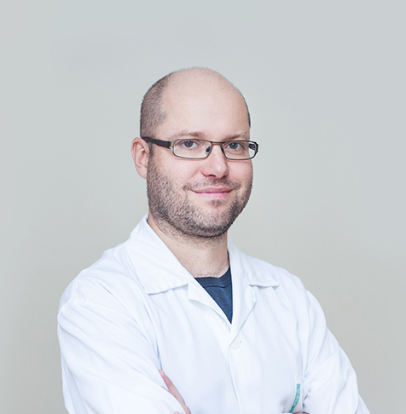 Petr Dusek is an Associate Professor at the Department of Neurology and Center of Clinical Neuroscience, First Faculty of Medicine, Charles University, and General University Hospital in Prague. His main expertise is Movement Disorders and Neuroimaging. Between 2013-2016 he worked as a post-doc researcher at the Department of Neuroradiology, University Medicine Göttingen, Germany.
Currently, his main research interests are biomarkers of the early stage of neurodegeneration and the relationship between cerebral accumulation of metals, neuroinflammation, and neurodegeneration. In the field of neuroimaging, he is investigating potential clinical applications of iron-sensitive MR techniques, such as quantitative susceptibility mapping, as well as working on ex-vivo validation of novel MR markers; e.g. with collaborators from the Institute of Psychiatry and Neurology in Warsaw, Poland he developed and validated the Semiquantitative Scale for Assessing Brain MRI Abnormalities in Wilson Disease. He is leading the Movement Disorders section of the Czech National Institute for Neurology Research.
He has authored or co-authored more than 200 publications (>5000 citations, h-index 37).
Link to pubmed papers: Dusek Petr – Search Results – Pubmed
RNDr. Pavel Just, Ph.D. (pavel.just@lf1.cuni.cz; 224964501)
 Pavel is a researcher at the Institute of Medical Biochemistry and Laboratory Diagnostics of the General University Hospital in Prague and the First Faculty of Medicine of Charles University. His work focuses on the research and diagnostics of hereditary cancer syndromes, with a particular emphasis on the identification of genetic predispositions to oncological diseases and their clinical implications.
Within his professional activities, he specializes in the automation and optimization of diagnostic and laboratory processes, aiming to improve efficiency, reliability, and reproducibility in molecular and genetic testing. He is actively involved in the development and implementation of modern laboratory workflows, including the integration of automated platforms into routine diagnostic practice.
His work combines research, clinical diagnostics, and technological innovation, contributing to the advancement of precision medicine and personalized healthcare, particularly in the field of hereditary oncology.
He has authored or co-authored 17 publications (116 citations, H-Index 7).
Link to publications: https://www.webofscience.com/wos/author/record/29127332
Ing. Kateřina Kučnirová, Ph.D. (katerina.kucnirova@lf1.cuni.cz, +420325873021)

Kateřina is a post-doctoral research scientist at First Faculty of Medicine of Charles University in Prague in the group of Assoc. Prof. Milan Jakubek at BIOCEV. She is a graduate of the University of Chemical Technology in Prague (UCT Prague), Faculty of Chemistry Technology (FCHT), where she also successfully defended her Ph.D. She focuses on the synthesis and development of new organic compounds with potential applications in cancer treatment.
Publications: https://orcid.org/0000-0002-7090-7578
Mgr. Kateřina Matějková, (katerina.matejkova@lf1.cuni.cz; 224 964 287)
 Kateřina is a researcher and a PhD student at the Laboratory of Oncogenetics, Institute of Medical Biochemistry and Laboratory Medicine, First Faculty of Medicine, Charles University and General University Hospital in Prague. She focuses on cancer genomics and bioinformatics, specializing in the analysis of high-throughput DNA and RNA sequencing data in the context of hereditary cancer. Her research activities include identification, annotation, and quantitative evaluation of genetic variants and aberrant RNA splicing events, with an emphasis on their functional and clinical relevance.
She develops and applies computational pipelines and statistical methods to integrate genomic and transcriptomic data, contributing to improved interpretation of sequencing results in research and diagnostic settings.
H-index: 5, co-author of 10 publications
Publications: https://www.webofscience.com/wos/author/record/LKK-2278-2024
Ing. Dita Mušálková, PhD. (dita.musalkova@lf1.cuni.cz; 224967211)
 Dita Mušálková is a researcher at the Research Unit for Rare Diseases, Department of Pediatrics and Inherited Metabolic Disorders, First Faculty of Medicine, Charles University in Prague. She graduated from the Institute of Chemical Technology in Prague and completed her PhD training in Molecular and Cell Biology, Genetics, and Virology at the First Faculty of Medicine, Charles University.
She has contributed to 20 peer-reviewed research articles published in journals such as the Journal of the American Society of Nephrology and the Journal of Inherited Metabolic Disease (H-index: 9). Recently, her research interests have focused on the analysis of high-throughput omics data, including statistical analysis, data visualization, gene set enrichment analysis, result interpretation, and experimental validation.
Publications: https://www.scopus.com/authid/detail.uri?authorId=55932060100
Mgr. Lenka Nosková, Ph.D. (lnosk@lf1.cuni.cz ; 224967169)
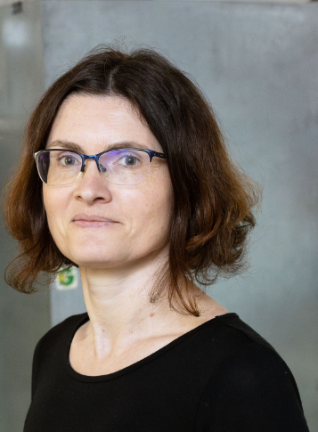 Lenka is a post-doc junior researcher and a member of Research Unit for Rare Diseases at the Department of Pediatrics and Inherited Metabolic Disorders, First Faculty of Medicine, Charles University in Prague.
Her main research focus is on elucidation of molecular basis of rare pediatric-onset genetic diseases. She contributed to the identification of disease-causing genes of mucopolysaccharidosis type IIIC (TMEM76), ATP synthase deficiency (TMEM70), neuronal ceroid lipofuscinosis type 4 (DNAJC5), Rotor syndrome (OATP1B1 and OATP1B3), posterior polymorphous corneal dystrophy 1 (OVOL2), GAPO syndrome (ANTXR1), X-linked hypertrophic cardiomyopathy (FHL1), DEEAH syndrome (MADD), hereditary AA amyloidosis (SAA1), X- linked intellectual developmental disorder (ZMYM3), neurodevelopmental disorder with language delay (GABBR1), autosomal dominant type or Zellweger disease (PEX14), orofaciodigital syndrome XX (RAB34) or autosomal dominant EHMT2-Kleefstra syndrome (EHMT2).
She has contributed to 33 research papers published in prestigious high impact journals such as Nature Genetics, Journal of Clinical Investigation, Brain, Kidney International or American Journal of Human Genetics (cumulative IF 221,5, H-index 15).
Publications: https://orcid.org/0000-0001-7011-4327
RNDr. Nina Ondrušková, Ph.D. (nina.ondruskova@lf1.cuni.cz; 224967748)
 Nina is a junior researcher at the Laboratory for Study of Mitochondrial Disorders, Department of Pediatrics and Adolescent Medicine, First Faculty of Medicine of Charles University in Prague. After finishing her PhD studies on the congenital disorders of glycosylation (CDG) in 2016, she conducted a 6-month postdoc stay in the laboratory of Daan Van Aalten (University of Dundee, Dundee, Scotland) focused on O-GlcNAc research.
She has contributed to the biochemical and molecular characterization of various CDG types such as RFT1-CDG, MAN1B1-CDG, PGM1-CDG, NGBR-CDG, SLC10A7-CDG or ATP6AP1-CDG, and the results of her scientific work have been published in a number of impacted journals including J Inherit Metab Dis, Mol Genet Metab, Brain, Cell Metab, Metabolism or Hum Mol Genet (18 publications; >470 citations; H-index 10).
Publications: https://www.ncbi.nlm.nih.gov/pubmed/?term=Ondruskova+N
Ing. Lenka Piherová, Ph.D. (lenka.piherova@lf1.cuni.cz ; 224967052)

Lenka is a researcher in the field of cardiogenetics, with a focus on the molecular and genomic basis of inherited cardiovascular disorders and cardiomyopathies. Her work integrates next-generation sequencing technologies, advanced bioinformatic analysis, and clinical interpretation of genetic variants with the aim to improve diagnostics and understanding of disease mechanisms in hereditary cardiac conditions.
She is actively involved in collaborative research and diagnostic activities with multiple scientific and clinical institutions across the Czech Republic, contributing to national efforts in the field of medical genomics and personalized medicine. Her current research topics include the identification and interpretation of pathogenic variants in key cardiomyopathy-associated genes (such as TTN), genotype–phenotype correlations, and the exploration of mutational hotspots and disease-associated variant clusters in large patient cohorts.
A significant part of her work is dedicated to transcriptomic and RNA-Seq data interpretation, including the evaluation of alternative splicing, isoform usage, and the functional consequences of rare variants affecting transcript structure. She is particularly interested in combining DNA- and RNA-based approaches to improve variant classification, resolve variants of uncertain significance, and uncover novel molecular mechanisms contributing to cardiac disease.
She has contributed to 51 peer-reviewed publications, which have received more than 430 citations (Web of Science Core Collection), and her current H-index is 10. Her scientific work supports translational projects bridging molecular genetics with clinical cardiology and provides important expertise for interdisciplinary collaborations.
In addition to her scientific work, she develops and maintains the national cardiogenetics platform http://kardiogenetika.cz, which supports dissemination of expert knowledge, networking, and coordination of cardiogenetic activities within the Czech medical and scientific community.
Publications: https://www.webofscience.com/wos/author/record/F-6777-2017
Mgr. et Mgr. Anna Přistoupilová, Ph.D. (anna.pristoupilova@lf1.cuni.cz)

Anna is a postdoctoral junior researcher at the Research Unit for Rare Diseases, Department of Pediatrics and Adolescent Medicine, First Faculty of Medicine, Charles University in Prague.
Her research focuses mainly on identifying the genetic causes of rare inherited diseases and elucidating the underlying molecular mechanisms by bioinformatic analysis and interpretation of next-generation sequencing (NGS) data. She is also affiliated with industry as a Senior Bioinformatics Scientist at DNAnexus, where she supports the management and advanced analysis of large genomic, multi-omics and clinical data in the cloud.
Anna obtained her Ph.D. in Molecular and Cell Biology, Genetics and Virology at Charles University, where her doctoral research was recognized with the Bolzano Award. She also holds two Master’s degrees from Charles University, in Medical Technology and Informatics and in Molecular Biology and Genetics.
She has contributed to over 30 peer-reviewed publications on the genetic basis of human disease, covering a broad spectrum of disorders including neurological, renal, metabolic, and neurodevelopmental conditions. Her work has been published in leading international journals, including Nature Neuroscience, Brain, and the American Journal of Human Genetics, as well as in specialized journals in human genetics, nephrology, and neurology.
A complete list of publications is available at: https://orcid.org/0000-0003-0047-9405
Mgr. Tereza Rákosníková, PhD., (tereza.danhelovska@lf1.cuni.cz; +420 224 967 748)
 Tereza is a junior researcher at the Laboratory for the Study of Mitochondrial Disorders, Department of Paediatrics and Inherited Metabolic Disorders at the First Faculty of Medicine of Charles University in Prague. During her PhD studies, she focused on clarifying the causes of mitochondrial disorders, particularly deficiencies in complex I, caused by mutations in mitochondrial DNA (mt-ND genes) or other genes, e.g. AIFM1. She also worked on characterizing the function of ACBD3, a candidate gene for mitochondrial disorders.
Moreover, she participated in studies of other rare metabolic disorders, such as congenital disorders of glycosylation, and mitochondrial metabolism in patients with Huntington´s disease.
After completing her PhD studies in the etiopathologies of mitochondrial disorders in 2023, she took two years' maternity leave. She is now returning to the laboratory as a postdoc, focusing on the biochemical and molecular characterization of novel genes and variants in mitochondrial disorders. Her scientific work has been published in several peer-reviewed impact journals (8 publications, 74 citations, H-index 4).
Link to PubMed papers: https://orcid.org/0000-0002-0888-6294
Markéta Skaličková (Marketa.Skalickova@lf1.cuni.cz; 325873021)
 Markéta is a PhD student in Biochemistry and Pathobiochemistry based at Biocev, Laboratory of Medicinal Chemistry. She focuses on the immunostimulatory biomolecule poly(I:C), a synthetic analog of double-stranded RNA, and its application in anti-cancer combination therapy. Her work is motivated by the increasing interest in localized immunotherapy approaches, particularly the intratumoral administration of immune system stimulants as a strategy for the treatment of locally advanced and metastatic breast cancers.
She is the first author of peer-reviewed publications, including Injecting Hope: The Potential of Intratumoral Immunotherapy for Locally Advanced and Metastatic Cancer and Interaction of Selected Anthracycline and Tetracycline Chemotherapeutics with Poly(I:C) Molecules, which highlight both the translational potential of intratumoral immunotherapy and the molecular interactions underlying combination treatment strategies.
Link to PubMed papers: https://pubmed.ncbi.nlm.nih.gov/?term=mark%C3%A9ta+skali%C4%8Dkov%C3%A1
RNDr. Hana Štufková, Ph.D. (hana.stufkova@lf1.cuni.cz, 224967748)
 Hana is a postdoctoral research scientist at the Laboratory for Study of Mitochondrial Disorders, Department of Pediatrics and Inherited Metabolic disorders, First Faculty of Medicine, Charles University, Czech Republic. Her research focuses on the biochemical characterization of mitochondrial energy metabolism in patients with mitochondrial diseases and other rare metabolic disorders, including congenital disorders of glycosylation (CDG).
She has contributed to the characterization of the structure and function of TMEM70, an assembly factor of ATP synthase. In addition, her studies on the impact of rare and novel variants in mitochondrial genes (MT-ATP6, MT-TK, MT-ND1) and nuclear genes involved in mitochondrial function (RMDN1, TMEM70, SCO2, TYMP, COX10, PUS1, ATAD3) have provided important insights into the pathophysiological mechanisms underlying these disorders. She has also investigated the effects of mt-tRNA mutations on OXPHOS complex assembly and function. Moreover, her studies of mitochondrial metabolism in patients with Huntington’s disease and corresponding transgenic models have contributed to a better understanding of disease development. The results of her scientific work have been published in a several high-impact journals, including Brain, Human Mutaion, Orphanet J Rare Dis, J Med Genet, Mitochondrion, Eur J Hum Genet, Mol Genet Metab (17 publications; 201 citations; H-index 9, cumulative IF 70).
Publications: https://orcid.org/0000-0003-0084-7730
Mgr. Marie Vanišová Ph.D. (Marie.Rodinova@vfn.cz, marie.rodinova@lf1.cuni.cz; maiden name: Rodinová, tel.: 224967748)
 Marie is a junior researcher at the Laboratory for the Study of Mitochondrial Disorders, Department of Pediatrics and Inherited Metabolic Disorders, First Faculty of Medicine, Charles University in Prague.
Her research initially focused on primary mitochondrial disorders, specifically mitochondrial Complexes I and IV of the oxidative phosphorylation (OXPHOS) system. As part of her PhD project, she investigated secondary mitochondrial damage in Huntington’s disease and has since continued her research on mitochondrial dysfunction in neurodegenerative diseases. Following a parental leave, her work has focused on the analysis of mitochondrial, cellular, and tissue ultrastructure using transmission electron microscopy. In 2020, she completed the Postgraduate Course in Transmission Electron Microscopy at the University of Southampton (UK), and in 2024 she attended the EM Sample Preparation Series for Electron Microscopy course (BIOCEV, Czech Republic).
She has 5 first-author and 12 co-authored publications in peer-reviewed impact-factor journals (17 publications, 190 citations, h-index: 9)
Publications: https://orcid.org/0009-0002-8678-1460
Kateřina Veselá (katerina.vesela@lf1.cuni.cz)
Kateřina is a PhD. student at the First Faculty of Medicine, Charles University in Prague, in the Biochemistry and Pathobiochemistry. Her main research interest is the design and study of heterocyclic compounds with a focus on their migrastatic and cytostatic effects. The primary investigated targets include NF-κB, IL-6, and IL-8.
She is also involved in analytical chemistry, particularly HPLC-MS and spectroscopic methods, as well as formulation research with a main focus on micro- / nano- milling. She has contributed to 22 scientific publications published in impact-factor journals, with nearly 300 citations.
Publications: https://pubmed.ncbi.nlm.nih.gov/?term=Vesel%C3%A1+K&cauthor_id=39539276
Mgr. Petra Zemánková, Ph.D. (petra.zemankova@lf1.cuni.cz)
Petra Zemánková is a postdoctoral research scientist at the Department of Pediatrics and Adolescent Medicine, First Faculty of Medicine, Charles University in Prague. She focuses on the development and optimization of RNA and DNA sequencing pipelines. Her research aims at understanding the molecular basis of rare genetic diseases using advanced sequencing technologies. She has contributed to more than 40 high-impact publications (H-index 15).
Link to publications:https://pubmed.ncbi.nlm.nih.gov/?sort=date&term=Zemankova%20P&cauthor_id=39777909
Other team members
Viktor Stránecký, Ph.D. (viktor.stranecky@lf1.cuni.cz ; 224967668 )

Viktor is a research scientist at the Department of Pediatrics and Inherited Metabolic, First Faculty of Medicine, Charles University in Prague.
His main research interest lies in the field of bionformatics, high-throughput technologies (OMICS), diagnostics and elucidation of the genetic and molecular basis of human diseases. His key findings include identification of the disease-causing gene for ATP synthase deficiency (TMEM70), neuronal ceroid lipofuscinosis type 4 (DNAJC5), Rotor syndrome (OATP1B1 and OATP1B3), posterior polymorphous corneal dystrophy 1 (OVOL2), Gapo syndrome (ANTXR1), Leber hereditary optic neuropathy (DNAJC30), renal Fanconi syndrome (NDUFAF6), mitochondrial disease (POLRMT), and neurodevelopmental disorders (VPS15, RALA).
He has contributed to 99 research papers that have been published in prestigious high impact journals such as American Journal of Human Genetics, Cancer Cell, Nature Communications, Journal of Clinical Investigation, Nature Genetics, Nature Neuroscience (>2950 citations).
Link to pubmed papers https://www.ncbi.nlm.nih.gov/pubmed/?term=Stranecky+V
RNDr. Hana Hartmannová, Ph.D. (hana.hartmannova@lf1.cuni.cz ; 224967052)

RNDr. Hana Hartmannová, Ph.D is a post-doc junior researcher and a member of Research Unit for Rare Diseases at the Department of Pediatrics and Inherited Metabolic Disorders (KPDPM), First Faculty of Medicine, Charles University in Prague.
She is interested in elucidation of molecular basis of rare genetic diseases by new sequencing technologies. She contributed to the identification of disease-causing genes of adenylosuccinate lyase deficiency (ADSL), MPSIIIC (TMEM76) and ATP synthase deficiency (TMEM70), Rotor syndrome (OATP1B1 and OATP1B3), adult neuronal ceroid lipofuscinosis (DNAJC5), GAPO syndrome (ANTXR1), X-linked hypertrophic cardiomyopathy (FHL1), protein glycosylation deficiency (Nogo-b receptor), Oliver-McFarlane syndrome (PNPLA6), posterior polymorphous corneal dystrophy (OVOL2) and renal Fanconi syndrome (NDUFAF6).
She has contributed to 41 research papers published in prestigious high impact journals such as Nature Genetics, Human Molecular Genetics, Journal of Clinical Investigation or American Journal of Human Genetics (H-index 22, 1917 times cited).
Publications: https://orcid.org/0000-0001-7787-832X
RNDr. Ladislav Kuchař Ph.D. (Ladislav.Kuchar@lf1.cuni.cz)
 Ladislav Kuchař is assistant professor and principal investigator at the Charles University in Prague. He started as a scientist in the prof. Milan Elleder, MD, PhD and Jana Ledvinova, PhD group at the former Institution of Inherited Metabolic Diseases. The main focus of the group were lysosomal storage diseases which formed the aim of long-term research activities. In the research group, Ladislav started with application of mass spectrometry for lipidomic analysis.
Now, Ladislav leads the research group aimed on lipid biomarkers in metabolic diseases mainly lysosomal storage diseases. The group now work on two major topics: lysoGb3 biomarker in Fabry Disease and small molecules as therapeutics in Gaucher disease. The research group is a part of the Department of Pediatrics and Inherited Metabolic Disorders of the First Medical Faculty of Charles University. The pathobiochemistry of the lipids and mass spectrometry as a scientifics background help also to establish some expert cooperation outside the field of lysosomal disorders.
Results of the research were published in highly impacted journals. Past, present and future the scientific activities aim: application of specific molecular types of sphingolipids in the Fabry disease combining mass spectrometry imaging with quantitative mass spectrometry, characterization of iPSC derived neuronal cells in Mucopolysacharidosis II, utilizing mass-labeled substrates for the monitoring of metabolic pathways in lysosomal storage disorders, differential screening/diagnostics for Niemann-Pick's Type A/B and C diseases , second generation sphingolipid biomarkers, sphingolipidomic analysis in mouse model of Farber disease including evaluation of effect of different therapeutic approaches, sphingolipid singnaling, isolation and analysis of plasmatic exosomes.
The main research activities were aimed on establishing modern mass spectrometry based lipidomics/sphingolipidomics methods.
He is the author of 28 research papers that have been published in impacted journals (WOS - 598 citations without self-citations, H-index 12).
Publications: https://www.ncbi.nlm.nih.gov/pubmed/?term=Kuchar+L
Mgr. Martina Živná, Ph.D. (mzivna@LF1.cuni.cz ; 224967668 maiden name: Martina Kublová)
 Martina Živná is a senior scientist in the clinical research team led by prof. Stan Kmoch at the Research Unit for Rare Diseases, Department of Paediatrics and Inherited Metabolic Disorders, First Faculty of Medicine, Charles University.
Her research focuses in identifying genes responsible for hereditary chronic kidney failure, particularly autosomal dominant tubulointerstitial kidney disease (ADTKD) caused by pathogenic variants in UMOD, MUC1, REN, SEC61A1, APOA4, ALG5 contributing both to the understanding of disease mechanisms and to the development of diagnostic methods that have enabled timely and accurate diagnosis in more than a thousand families worldwide. She developed a non-invasive urine-based immunolabeling technique for ADTKD-MUC1. She also characterized a novel molecular mechanism of kidney failure in non-classical Fabry disease due to GLA variants leading to α-galactosidase deficiency, proposing a new term AGALopathy. The research also revealed a promising therapeutic strategy using a small molecule BRD4780 which targets mutant proteins to degradation.
For her outstanding scientific achievements, Martina Živná has received the Neuron Award and the Czech Minister of Health Award for Medical Research and Development, and was also selected by Forbes as one of the 25 most successful female scientists in the Czech Republic.
Martina has contributed to more than 50 research papers that have been published in prestigious high impact journals such as Cell, American Journal of Human Genetics, Journal of American Society of Nephrology, Kidney International, Human Molecular Genetics (>1100 citations, with H-index 18).
Dr. Zivna curates a multi-language (Czech and Russian) web platform (http://selhaniledvin.cz/) that provides counseling and networking support to patients (and their nephrologists) with inherited chronic kidney diseases
Link to pubmed papers: https://www.ncbi.nlm.nih.gov/pubmed/?term=Zivna%20m%20or%20Kublova%20m
Ing. Petr Vyleťal, PhD. (pvyle@lf1.cuni.cz)
 Petr is a senior research scientist at in the Prof. Stanislav Kmoch's Lab (https://www.researchgate.net/lab/Stanislav-Kmoch-Lab-2) at The Department of Pediatrics and Inherited Metabolic Disorders of The First Faculty of Medicine of Charles University and General University Hospital in Prague. Petr has MSc. degree in biomedical engineering (ICT, Prague, 2001) and Ph.D. at Molecular and Cell Biology, Genetics and Virology (The First Faculty of Medicine, Prague, 2009). He is also Registered Bioanalyst for Clinical Genetics (IPVZ Prague, 2011).
Research interest
Petr works as biochemist, molecular biologist and geneticist in the field of autosomal dominant kidney diseases (ADTKD). As a main author or co-author, he contributed to elucidation of molecular basis, diagnostics and treatment of ADTKD (over 30 publications, 632 citations, H-index 14, Web of Science, 2026). He participates in collaborations with domestic (Czech Centre for Phenogenomics, BIOCEV, Czech Academy of Sciences, Institute for Clinical and Experimental Medicine) as well as foreign scientific institutions (Wake Forest School of Medicine a Mayo Clinic, USA).
Publications and research profiles:
https://www.webofscience.com/wos/author/record/F-4771-2017
https://orcid.org/0000-0002-9357-1237
https://www.researchgate.net/profile/Petr-Vyletal
RNDr. Hana Hansíková, CSc.(hana.hansikova@lf1.cuni.cz; 224967748)
 She is head of Laboratory for Study of Mitochondrial Disorders (MITOLAB) at Department of Pediatrics, Charles University and General University Hospital in Prague.
She has worked as a biochemical expert in the field of metabolic disorders, especially in bioenergetics of mitochondrial disorders and other various pathological conditions for more than 30 years. She contributed to more than 140 research papers that have been published in different impact journals such as Nature genetics, Scientific Reports, Metabolism, Disease model and mechanisms, Human Molecular Genetics, Brain, Cell Metabolism, Mitochondrion, Oncotarget, Biochemical Journal, International Journal of Obesity , Journal of Medical Genetics, PloS One, Journal of inherited metabolic disorders, Translational Research, Neurodegenerative Diseases, Current Alzheimer Research (H-index 31). Topic research areas: 1. Functional, structural and biochemical characterization of various primary mitochondrial diseases; 2. Maturation of mitochondrial energy metabolism; 3. Congenital disorders of glycosylation; 4. Mitochondrial metabolism in neurodegeneration.
Publications: https://www.ncbi.nlm.nih.gov/pubmed/?term=Hansikova+H
Prof. MUDr. Tomáš Honzík, Ph.D. (tomas.honzik@lf1.cuni.cz, 224967733)
 Professor Tomáš Honzík, MD, PhD, is a Professor of Pediatrics at the First Faculty of Medicine, Charles University, and the General University Hospital in Prague. He serves as Head of the Department of Pediatrics and Inherited Metabolic Disorders (KPDPM).
Professor Honzík has long-standing clinical expertise in pediatrics and clinical genetics and has been involved in the diagnosis and management of Inborn Errors of Metabolism (IEMs) since 2000. His research focuses primarily on mitochondrial disorders and congenital disorders of glycosylation (CDG).
He has contributed to numerous international clinical guidelines in the field of IEMs, including those for MMA/PA, PMM2-CDG, MPI-CDG, PGM1-CDG, BH4 deficiencies, and tyrosine hydroxylase deficiency.
Professor Honzík is a co-representative of MetabERN for the General University Hospital in Prague and serves as a European subnetwork coordinator for CDG. He is also a member of the Advisory Board of the European Metabolic Group (EMG) and a Director/Trustee and Council Member of the Society for the Study of Inborn Errors of Metabolism (SSIEM).
He has (co-)authored more than 180 peer-reviewed publications in the fields of IEMs, clinical genetics, and pediatrics (cumulative impact factor 508.66; 3,525 citations; H-index 32).
Link to pubmed papers Honzik T - Search Results - PubMed